
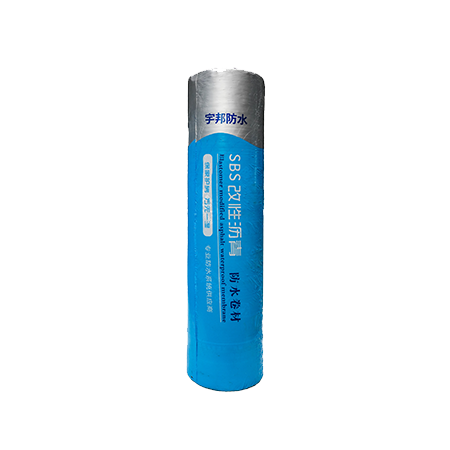
SBS modified asphalt waterproofing membrane is a high-performance waterproof material. The following is a detailed introduction to it:
1. Definition and composition
SBS modified asphalt waterproofing membrane is made of SBS rubber modified petroleum asphalt as the impregnation covering layer, polyester fiber non-woven fabric, jute cloth, glass fiber felt, etc. as the base, and plastic film as the anti-adhesion isolation layer. It is processed and made through material selection, ingredients, eutectic, impregnation, composite molding, curling and other processes.
2. Performance characteristics
High and low temperature resistance: SBS modified asphalt waterproofing membrane can be used in the temperature range of -25℃ to +100℃, showing good low temperature resistance and high temperature stability. It will not crack at -25℃ and will not flow at 90℃.
Elasticity and fatigue resistance: The membrane has high elasticity and fatigue resistance, can withstand certain deformation and vibration, and is suitable for industrial and civil building waterproofing projects with large deformation.
Elongation and puncture resistance: The coil has an elongation of up to 150% (some say 1500%, but according to common understanding it should be 150%) and strong puncture resistance and tear resistance, which can adapt to the shrinkage and cracking of the base layer.
Easy construction and low pollution: The coil is easy to construct, has little pollution to the environment, and meets environmental protection requirements.
3. Specification classification
Classification by physical indicators: It can be divided into two categories: Type I (-20℃) and Type II (-25℃).
Classification by tire base: It can be divided into two categories: polyester tire and glass fiber tire. Polyester tire coils usually have higher strength and elongation, and are suitable for projects with larger deformation; glass fiber tire coils are relatively economical and suitable for general building waterproofing projects.
Classification by covering material: It can be divided into four categories: PE film (aluminum-plated film), colored sand, shale flakes, and fine sand. Different covering materials have different appearance and performance characteristics, which can be selected according to project requirements.
4. Scope of application
SBS modified asphalt waterproofing membrane is widely used in waterproofing projects such as roofs, basements, toilets, etc. of industrial and civil buildings, as well as waterproofing and moisture-proofing of projects such as roof gardens, roads, bridges, tunnels, parking lots, swimming pools, etc. For projects with large deformation, it is recommended to use polyester tire products with excellent elongation performance; for general buildings, relatively economical fiberglass tire products can be selected.
5. Construction method
Base treatment: Before construction, the defects of the base should be cleaned to ensure that the base is dry, flat, clean, free of dust, debris, oil, and moss. If there are holes, holes, and cracks, they should be filled with cement mortar, and the protruding parts should be chiseled flat.
Applying base treatment agent: Apply special primer oil on the surface of the base and fully dry before construction. When brushing, it should be done against the wind to ensure uniform brushing.
Laying the membrane: Apply adhesive on the surface of the base and the surface of the membrane, and reserve the overlap edge for brushing the joint glue. Then lay the membrane, and exhaust and compact it. When laying, ensure that the roll material is laid neatly to avoid bending or wrinkling.
Glue the lap joints: Use special joint adhesive to glue the lap joints to ensure that the joints are firmly bonded.